At-Home Habits That Complement Professional Periodontal Treatment
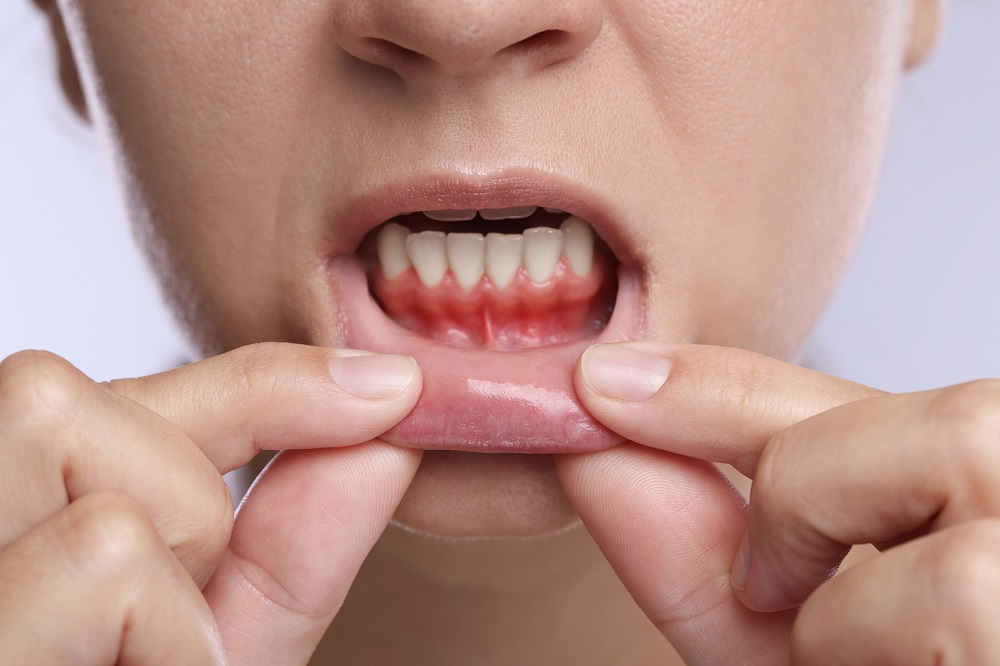
Healthy gums rarely come back through one appointment alone. Professional periodontal treatment can remove deep bacterial buildup, reduce inflammation, and create a cleaner environment for healing, but what happens at home between visits often determines whether those improvements hold. That is the part patients sometimes underestimate. They leave the office feeling cleaner and more hopeful, then slip back into the same brushing pattern, the same rushed evening routine, the same snack habits that fed the problem in the first place.
Gum disease is stubborn because it is not just a one-time infection. It is a chronic inflammatory condition shaped by bacterial biofilm, host response, medication effects, dry mouth, stress, smoking, and the quality of daily oral care. That means home care does not need to be elaborate, but it does need to be consistent, well targeted, and realistic enough to keep going on tired weeknights and busy mornings.
The good news is that the most helpful at-home habits are usually plain, repeatable, and inexpensive. They support healing after scaling and root planing, maintenance cleanings, localized antimicrobial therapy, or surgical procedures. They also make professional care more effective because the tissues your clinician sees at your next visit reflect what has happened every day since the last one.
The real job of home care after periodontal treatment
A lot of patients think home care is mainly about keeping the teeth looking clean. In periodontal care, the goal is broader. You are trying to interrupt the bacterial film that reforms constantly, reduce swelling so the gums can tighten around the teeth, and lower the burden on the immune system. When plaque sits undisturbed along the gumline, it matures quickly. In susceptible patients, that triggers inflammation, bleeding, deeper pockets, and sometimes progressive bone loss.
After professional periodontal treatment, the gums often have a chance to settle down. Bleeding may drop. Breath may improve. Teeth may feel smoother. Yet bacterial colonies begin rebuilding within hours. This is why technique matters more than occasional intensity. A hard, enthusiastic brushing session once every few days does less good than gentle, thorough daily disruption of plaque.
I often think of it this way: the dental office resets the environment, but home care preserves it. Without the preserving part, disease tends to reassert itself.
Brushing that actually helps the gums heal
Most adults have brushed their teeth thousands of times, which makes them assume they are doing it well. In practice, plenty of people brush the biting surfaces and visible fronts adequately, then skim over the gumline where periodontal disease begins. Others brush too hard, believing pressure equals cleanliness, and end up irritating already inflamed tissue.
A soft-bristled brush, whether manual or powered, is usually the best choice for patients undergoing periodontal treatment. Soft bristles flex into the margin where the tooth meets the gum. Hard bristles and forceful scrubbing can contribute to recession and abrasion, especially on root surfaces exposed by gum loss. Electric brushes can be particularly useful for people with dexterity issues, crowded teeth, orthodontic work, or a tendency to rush. They do some of the motion for you, which can improve consistency.
What matters most is angling the bristles toward the gumline and moving slowly enough to clean each area. Two full minutes is a reasonable benchmark, though some patients with extensive restorations, bridges, or wider spacing need a bit longer. If you always finish in 45 seconds, the https://erickqrgv467.clearminster.com/posts/how-age-influences-your-periodontal-treatment-needs issue is not your toothbrush brand. It is that entire zones of the mouth are probably being skipped.
Timing can help as well. Brushing before bed is nonnegotiable for periodontal patients. Overnight saliva flow drops, which means less natural rinsing and buffering. If the mouth goes to sleep coated in plaque and food debris, the gums pay for it.
Cleaning between the teeth is where progress often happens
For many patients, interdental cleaning is the difference between stable gums and recurring inflammation. A toothbrush cannot fully clean the sides of teeth where they touch each other. Those sheltered areas are where plaque matures quietly, especially if pockets have formed or the gums have receded.
Floss is useful, but it is not the only tool and not always the best one. Tight contacts may favor traditional floss or tape. Wider spaces, black triangles, bridgework, and recession often respond better to interdental brushes. Water flossers can be excellent adjuncts for people with braces, implants, dexterity limitations, or a history of periodontal pockets, though they should not automatically be treated as a total substitute for mechanical plaque removal where brushes or floss fit better.
The mistake I see often is patients using the wrong-sized tool. Interdental brushes that are too small glide through without scrubbing the tooth surfaces. Ones that are too large can bend, snag, or feel so unpleasant that the patient gives up. This is why personalized instruction matters. The right fit can make daily cleaning both more effective and easier to maintain.
If your gums bleed when you clean between your teeth, that is usually a sign of inflammation, not a reason to stop. Gentle, consistent cleaning often reduces bleeding over a week or two. Persistent or worsening bleeding deserves a call to the dental office, especially if you have already received periodontal treatment and are following instructions carefully.
A simple routine beats an ambitious one
Many people do best with a routine that feels sustainable even on difficult days. It does not need ten products lined up on the counter. It needs the right basics used well.
- Brush thoroughly at the gumline twice a day, with extra attention at night.
- Clean between the teeth once a day using floss, interdental brushes, or the device your clinician recommended.
- Use any prescribed rinse or gel exactly as directed, for the duration advised.
- Drink water regularly, especially if dry mouth is an issue.
- Keep maintenance appointments even when the gums feel fine.
That routine looks simple because it is simple. The challenge is repetition. A patient who follows this pattern most days will often outperform someone who buys every oral care gadget available but uses them irregularly.
Why the right rinse can help, and where people go wrong
Mouthwash is one of the most misunderstood parts of oral care. Some rinses freshen breath but do little for periodontal inflammation. Others contain active ingredients that reduce bacterial load or help control gingivitis. Prescription rinses such as chlorhexidine can be helpful in certain phases of treatment, especially after procedures or during short periods of intensified care. But stronger is not always better, and longer is not always wiser.
Chlorhexidine, for example, can stain teeth and alter taste temporarily. It is valuable when indicated, yet it is usually a short-term tool, not a lifelong habit unless your dentist or periodontist specifically recommends it. Overusing antiseptic products without guidance can create frustration, side effects, or a false sense of security.
For many patients, an alcohol-free antimicrobial or fluoride rinse makes more sense for regular use. The best rinse depends on the clinical picture. Someone with dry mouth may need a different product than someone with active gingival inflammation, root sensitivity, or high cavity risk after gum recession. If you are in active periodontal treatment, it is worth asking not just “Should I use a rinse?” but “Which rinse, for how long, and what problem are we trying to solve?”
Food choices influence the gum environment more than most people realize
No diet can brush your teeth for you, but eating patterns do affect gum health. Frequent sugary snacks feed plaque bacteria. Sticky carbohydrates cling around the gumline and between teeth. Acidic drinks can irritate exposed root surfaces and contribute to sensitivity, making some patients brush less thoroughly because cleaning becomes uncomfortable.
On the positive side, meals that require chewing, contain fiber, and are not constantly interrupted by sipping sweetened beverages tend to be easier on the mouth. Adequate protein supports tissue repair. Hydration helps saliva do its work. For patients recovering from more involved periodontal treatment or surgery, softer foods may be necessary for a period, but that should not become a long-term excuse for grazing on processed snack foods all day.
There is also a subtle behavioral piece here. Patients who snack repeatedly often skip intermediate cleaning because they never feel “done eating.” The mouth stays in a cycle of exposure and accumulation. A more structured eating pattern often improves oral hygiene almost accidentally, simply because there are clearer times to clean.
Tobacco and nicotine can quietly undo good treatment
This is one of the hardest conversations in periodontal care because many patients already know smoking is harmful and do not need a lecture. What they do need is an honest explanation of the specific trade-off. Tobacco use, and in many cases nicotine exposure more broadly, impairs blood flow, alters immune response, delays healing, and increases the risk that periodontal disease will persist or recur. Smokers sometimes bleed less visibly, which can create the illusion that the gums are healthier than they are.
I have seen technically excellent periodontal treatment produce only modest results in heavy smokers, while moderate home care in a patient who quit led to surprisingly strong healing. That is not moral judgment. It is biology. The tissues respond differently.
Patients using nicotine pouches or vaping products often assume they have sidestepped the periodontal issue because there is no smoke. The reality is more complicated. The local effects on tissue, saliva, and inflammation can still be significant. If quitting entirely feels too far away, even reducing exposure during the healing phase and discussing cessation support with a healthcare professional can make a measurable difference.
Dry mouth changes the rules
Saliva is protective. It dilutes acids, helps clear food debris, supports remineralization, and contributes to a more stable oral ecosystem. When saliva drops, plaque accumulates faster and tissues become more vulnerable. Dry mouth is common in patients taking antihistamines, antidepressants, blood pressure medications, ADHD medications, and many other prescriptions. It also shows up with mouth breathing, poorly controlled diabetes, autoimmune conditions, and normal aging.
A patient with dry mouth often tells a familiar story: they brush, they floss, and yet their mouth still feels sticky, their breath worsens by afternoon, and their gums flare easily. In that situation, technique alone may not solve the problem.
Frequent sips of water help, though they are not always enough. Sugar-free xylitol gum or lozenges can stimulate saliva if chewing is comfortable and medically appropriate. Nighttime mouth breathing may call for evaluating congestion or sleep habits. Some patients benefit from saliva substitutes or high-fluoride products if exposed roots are also at risk for decay. The important point is that dry mouth deserves attention as a driver of periodontal instability, not just a nuisance symptom.
Stress, clenching, and the inflammation you cannot see
Stress does not cause plaque, but it changes behavior and physiology in ways that matter. Stressed patients often sleep poorly, skip routines, snack more, clench or grind their teeth, and have a heightened inflammatory response. The gums may feel sore or puffy, yet the patient attributes everything to being busy and hopes it settles down.
Clenching adds another layer. Excessive biting forces do not cause periodontal disease by themselves, but they can aggravate already compromised teeth and supporting structures. A patient with a history of periodontal treatment who also grinds at night may notice tooth mobility, tenderness on chewing, or gum soreness around specific teeth. In these cases, a night guard, bite adjustment, or further evaluation may be part of protecting the investment made through periodontal care.
What helps is not perfection. It is awareness. When life gets messy, simplify the oral care routine instead of abandoning it. Two minutes of careful brushing and a quick pass with interdental cleaners still matter on the most chaotic days.
Healing after treatment requires judgment, not guesswork
The home habits that support routine maintenance are slightly different from the habits that support immediate healing after a deeper cleaning or periodontal procedure. This is where patients can get into trouble by doing too much too soon. Aggressive rinsing, hard brushing over a tender area, or probing at the gums because they “feel rough” can disturb healing tissues.
Specific instructions vary by treatment. After scaling and root planing, some tenderness and light bleeding may occur for a short time. Patients often do well with gentle but not avoidant cleaning. After flap surgery, grafting, or laser procedures, the office may advise modified brushing, a special rinse, softer foods, or temporary avoidance of certain areas. That guidance should always outrank general advice found online.
The principle is simple: protect healing tissues without letting the rest of the mouth become neglected. If you are unsure whether you are cleaning too little or too much, that uncertainty is worth a phone call. Small corrections early can prevent a week of avoidable setbacks.
Maintenance visits are part of home care, not separate from it
Some people treat maintenance appointments as optional once the mouth feels normal again. Periodontal disease often punishes that assumption. The absence of pain does not mean the disease is inactive. Gum pockets can deepen quietly. Tartar can accumulate under the gumline in places home care cannot reach. Patients with a history of periodontitis usually need maintenance at intervals shorter than the standard twice-a-year schedule, often every three to four months, though recommendations vary.
What matters here is not just the cleaning itself. It is the feedback loop. Maintenance visits reveal whether your current at-home habits are enough for your anatomy, your health conditions, and your risk level. A clinician may notice that one lower molar keeps bleeding, that an interdental brush size needs changing, or that recession on the canine is linked to overbrushing. Those small course corrections are a major reason long-term stability is possible.
I have seen patients who were convinced their home care was excellent, only to discover they were missing the same back teeth every day. A quick mirror demonstration fixed months of frustration. That kind of refinement only happens when professional care and home care stay connected.
When to call sooner rather than waiting it out
Not every symptom needs urgent care, but certain changes should not be ignored, especially during or after periodontal treatment.
- Bleeding that is new, heavy, or persists despite consistent gentle cleaning.
- Swelling, pus, or a bad taste coming from one area.
- Teeth that suddenly feel looser or painful when biting.
- Gum recession that seems to progress quickly, or sharp new root sensitivity.
- Post-treatment pain that worsens instead of gradually easing.
Patients often wait because they do not want to overreact. In periodontal cases, early evaluation is usually the better choice. A localized problem caught early is typically easier to manage than one that has been smoldering for several weeks.
Small technique changes that often produce outsized results
The most effective improvements are not always dramatic. Sometimes a patient goes from mediocre results to stable gums by changing just one or two details. Slowing down enough to reach the back surfaces of the last molars can matter. So can switching from floss alone to the correctly sized interdental brush in open spaces. Another common win is moving oral care to before fatigue takes over, rather than waiting until the final minute before bed when everything gets rushed.
Mirror use is underrated. People clean better when they actually watch the brush head or floss enter the area that needs attention. For patients with lower dexterity, adding a handle adapter, a larger brush grip, or a powered brush may be the practical difference between knowing what to do and being able to do it daily.
There is also value in lowering the threshold for success. If the ideal night routine feels overwhelming, create a “minimum standard” version you can complete no matter what. A shortened but genuine routine prevents the all-or-nothing pattern that often undermines periodontal care.
The long game with periodontal health
Periodontal treatment works best when patients stop viewing it as a rescue event and start treating it as ongoing risk management. That may sound less dramatic, but it is more empowering. Once you understand the condition, you can influence it every day. Your habits affect inflammation, healing, pocket stability, comfort, and the lifespan of your teeth.
There are patients who need more frequent intervention because of genetics, systemic disease, anatomy, or a long history of periodontitis. That does not mean home care is futile. If anything, it means home care matters more. The goal is not to create a perfect mouth. It is to create a stable one, where disease activity is minimized and setbacks are addressed early.
Professional periodontal treatment provides the clean slate. Daily habits keep it from filling back up with the same problems. When patients embrace that partnership, the results are usually visible not just in measurements and radiographs, but in simpler things too: less bleeding in the sink, fresher breath in the morning, more confidence during cleanings, and a sense that the mouth is no longer working against them.
Avra Dental
Address: 1708 S Victoria Ave B, Ventura, CA 93003
Phone number: (805) 941-1001
FAQ About Periodontal Treatment
Can a dentist get rid of periodontal disease?
A dentist or gum specialist (periodontist) cannot fully cure or reverse advanced periodontal disease (periodontitis), but they can successfully stop its progression and manage the infection.
Is periodontitis very serious?
Yes, periodontitis is a very serious, advanced form of gum disease that destroys the bone and tissues supporting your teeth.
How is stage 2 periodontal disease treated?
Stage 2 periodontal disease (early to moderate periodontitis) is primarily treated with non-surgical deep cleaning procedures like scaling and root planing to remove bacteria and tartar below the gumline.